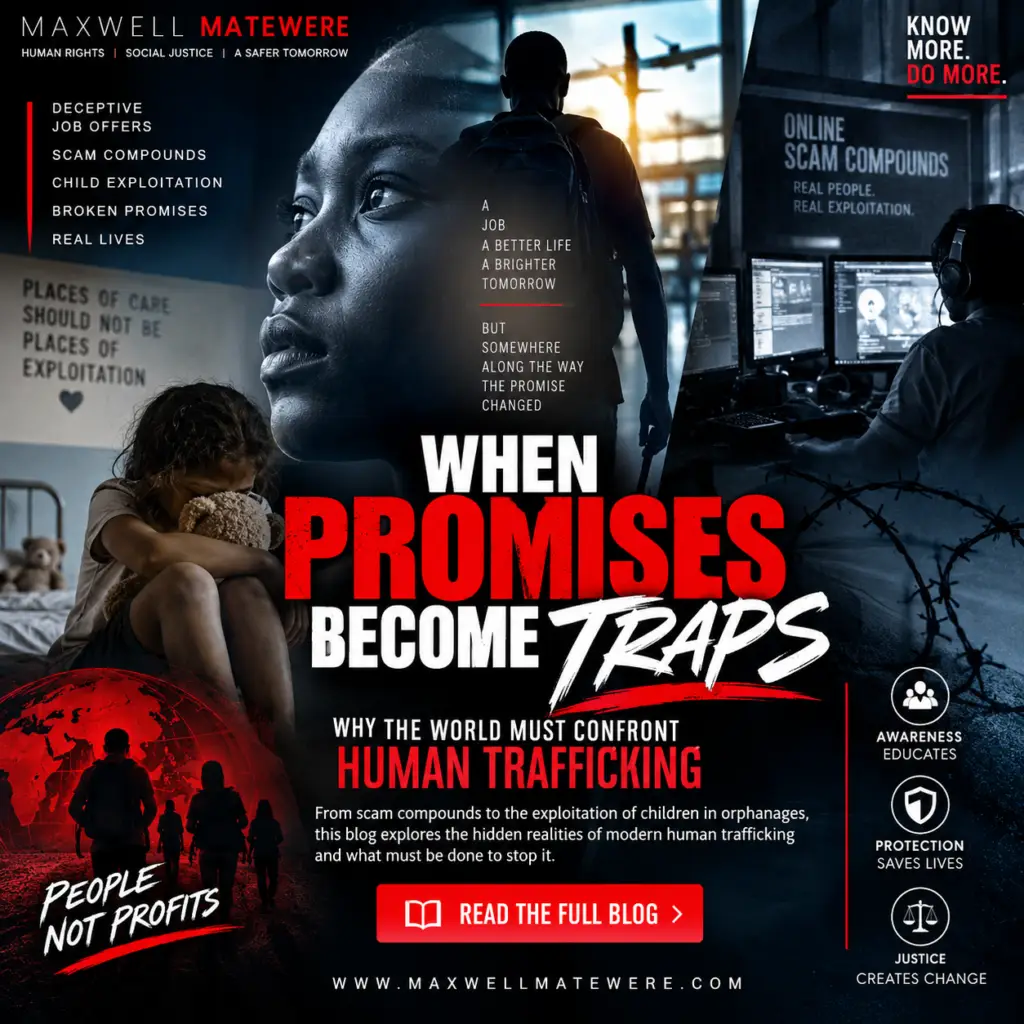
A job offer can become a trap. A place that promises care can become a place of exploitation. A child who should be protected can become a source of profit.
These are the painful realities of modern human trafficking, and why the world must confront it.
We sincerely thank the United States Department of State for its 2026 Trafficking in Persons (TIP) Report, which shines a much-needed light on two hidden forms of trafficking: exploitation in online scam compounds and the exploitation of children through orphanages and residential care institutions. See https://www.taskforceonht.org/2026-us-tip-report-scam-compounds-emerging-trends-and-orphanage-trafficking/
By highlighting these crimes, the U.S. Department of State is ensuring that victims are not forgotten and that those who profit from vulnerability are held accountable.
We particularly appreciate this recognition because trafficking must never be allowed to hide behind technology, job opportunities, or institutions meant to protect children. Scam compounds must not become prisons for deceived workers, and orphanages must never become tools for exploiting children.
The False Promise of a Better Life!
Many people accept job offers because they want to escape poverty and provide for their families. Traffickers exploit that dream.
In online scam compounds, victims lured by legitimate-looking jobs are confined and forced to commit online fraud against their will. This connects directly to stories we have documented, including Ethiopian migrants who were promised jobs in South Africa, only to face confinement, escalating financial demands, and ransom calls to their families.
Their experience is a stark reminder: trafficking does not always begin with physical force. Sometimes it begins with a promise that seems too good to refuse.
When Places of Care Become Places of Exploitation!
A second concerning issue is the exploitation of children through some orphanages and residential care institutions. While many orphanages provide essential and loving care, in certain cases, these institutions are used to exploit children for donations or financial gain.
Children are not fundraising tools, and their suffering should never become a business opportunity. This is why institutions must be transparent, properly monitored, and all allegations of exploitation must be investigated.
Vulnerability Should Never Be an Opportunity!
The stories of people trapped in scam compounds and children exploited in residential institutions connect to other forms of trafficking we have covered.
Girls rescued from nightclubs after being trafficked for sexual exploitation, and a girl who turned to bars while struggling with hunger at home, show the same pattern: when basic needs are unmet and poverty persists, exploiters take advantage of desperation.
Though the stories are different, they share one message: vulnerability should never become an opportunity for exploitation. Through rehabilitation, life skills, and vocational training, survivors can begin rebuilding their lives with dignity and hope.
From Awareness to Action!
The State Department’s focus is a vital contribution to global awareness, but awareness must lead to action.
Governments must strengthen investigations, protect victims, and hold traffickers accountable. Institutions caring for children must prioritize safety over profit. Communities must learn to recognize suspicious job offers and report suspected exploitation.
And survivors need more than rescue. They need emotional support, education, vocational skills, and safe environments where they can rebuild their lives.
Most importantly, prevention must address the root cause: poverty and lack of support that leaves people vulnerable to false promises in the first place.
Human trafficking can take many forms—in a scam compound, through a deceptive job offer, in a nightclub, or inside an institution claiming to protect children—but no form should be ignored.
The 2026 TIP Report is a reminder that the international community must continue working together to expose those who profit from suffering and protect the vulnerable.
No job promise should become a prison. No place of care should become a place of exploitation. No person’s suffering should become someone else’s profit.
Every person deserves freedom from exploitation, and every child deserves to grow up safe, protected, and full of hope.