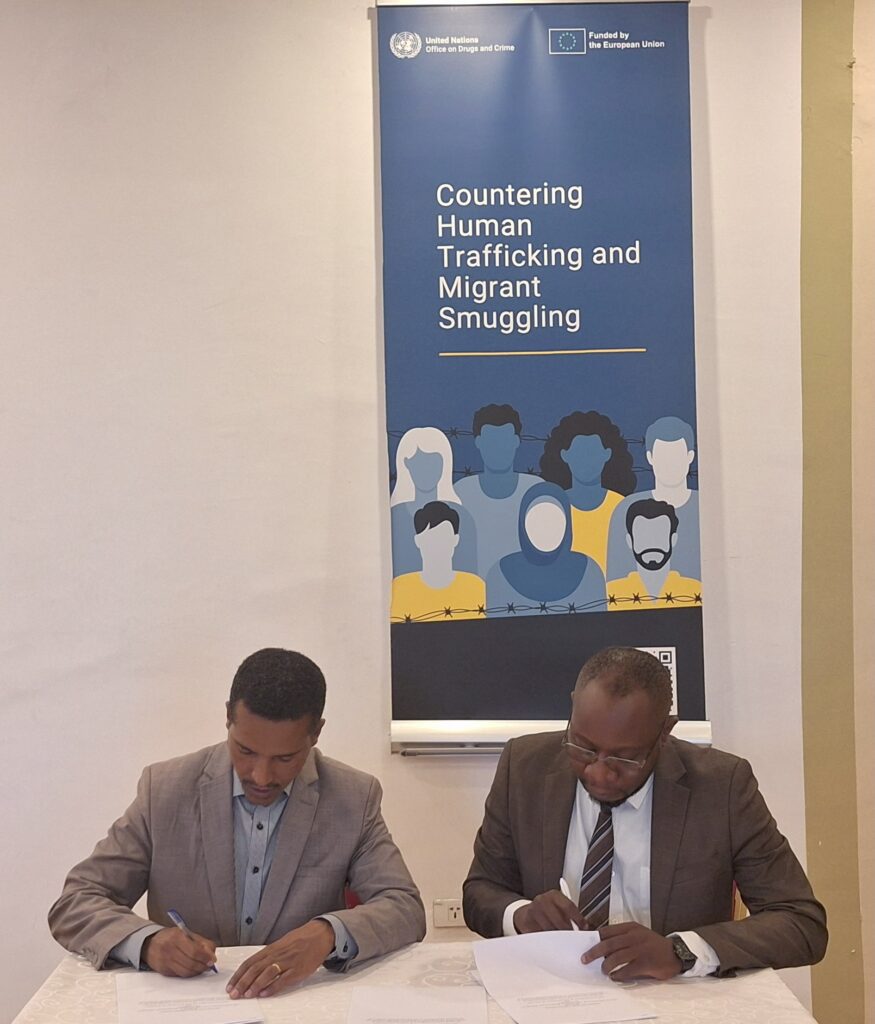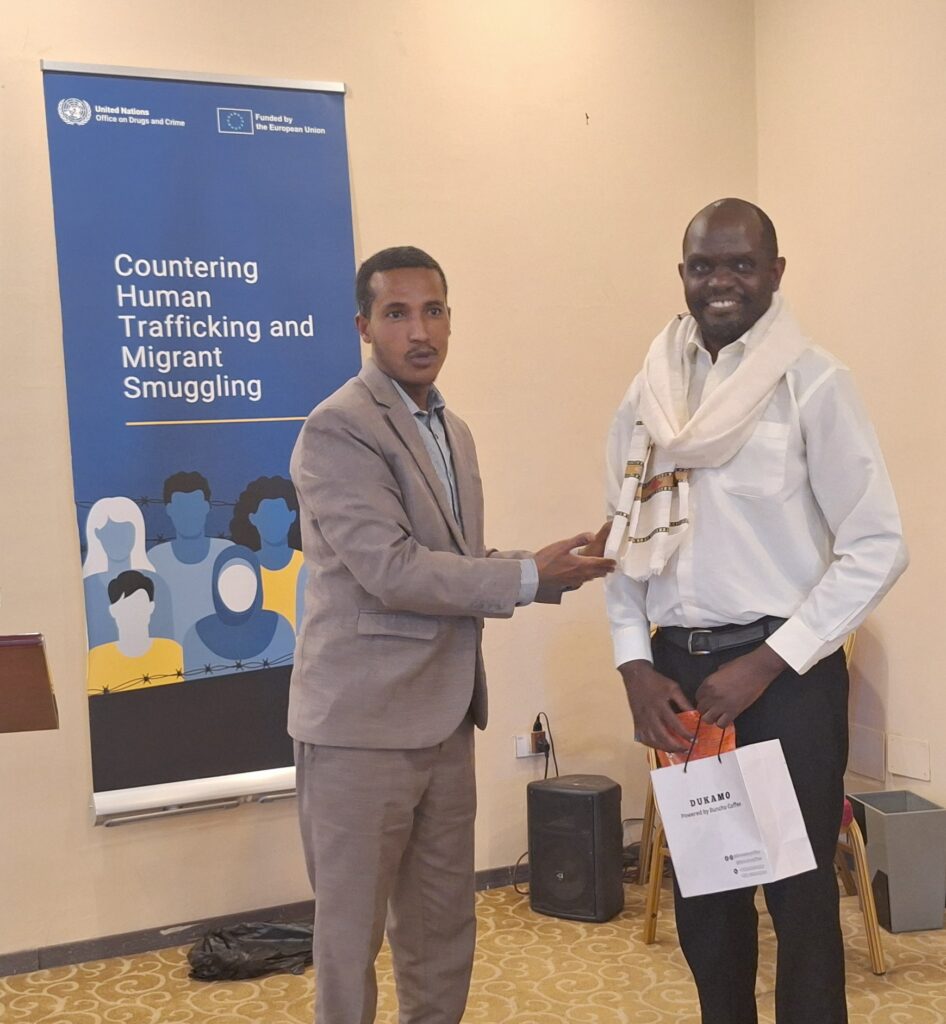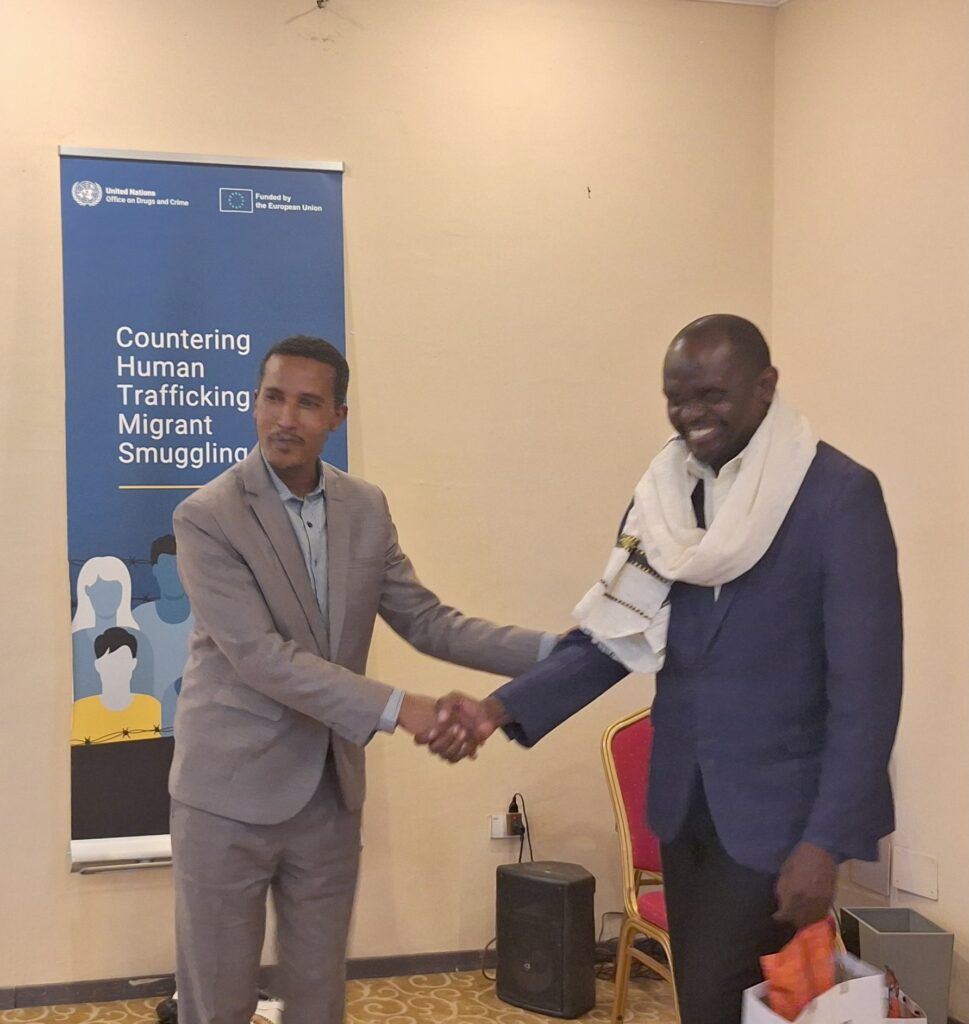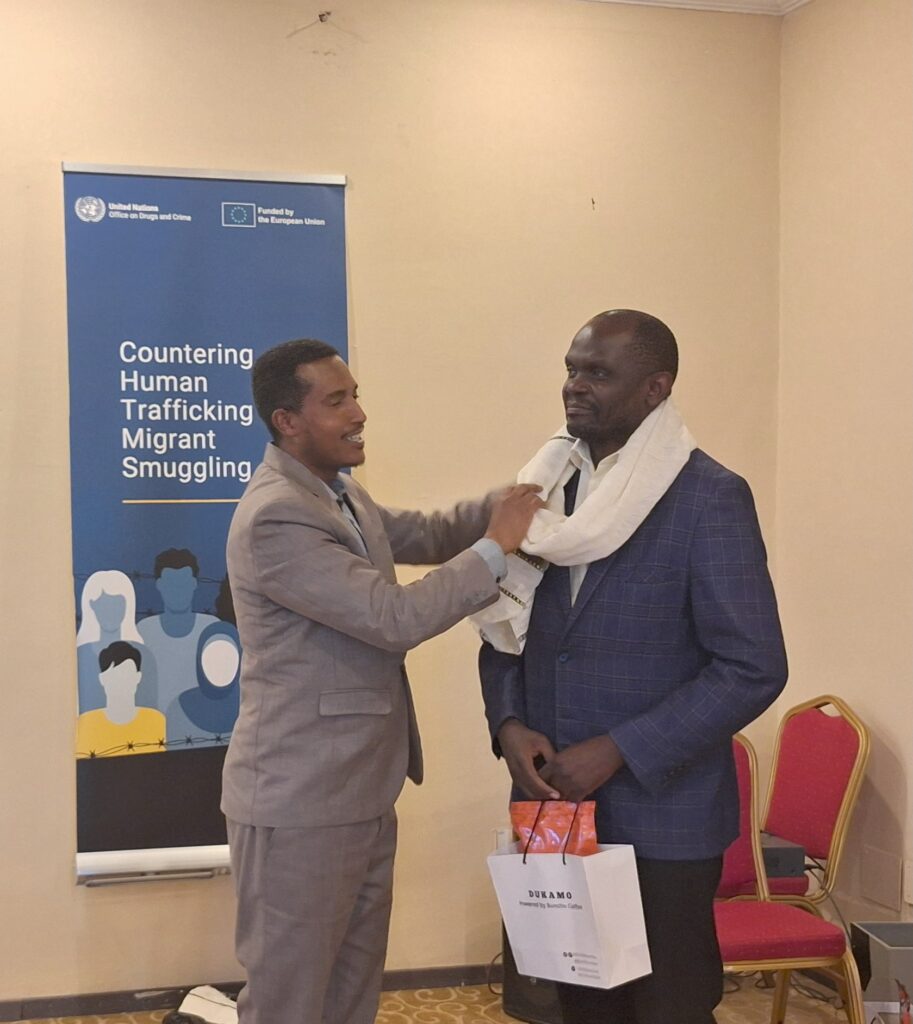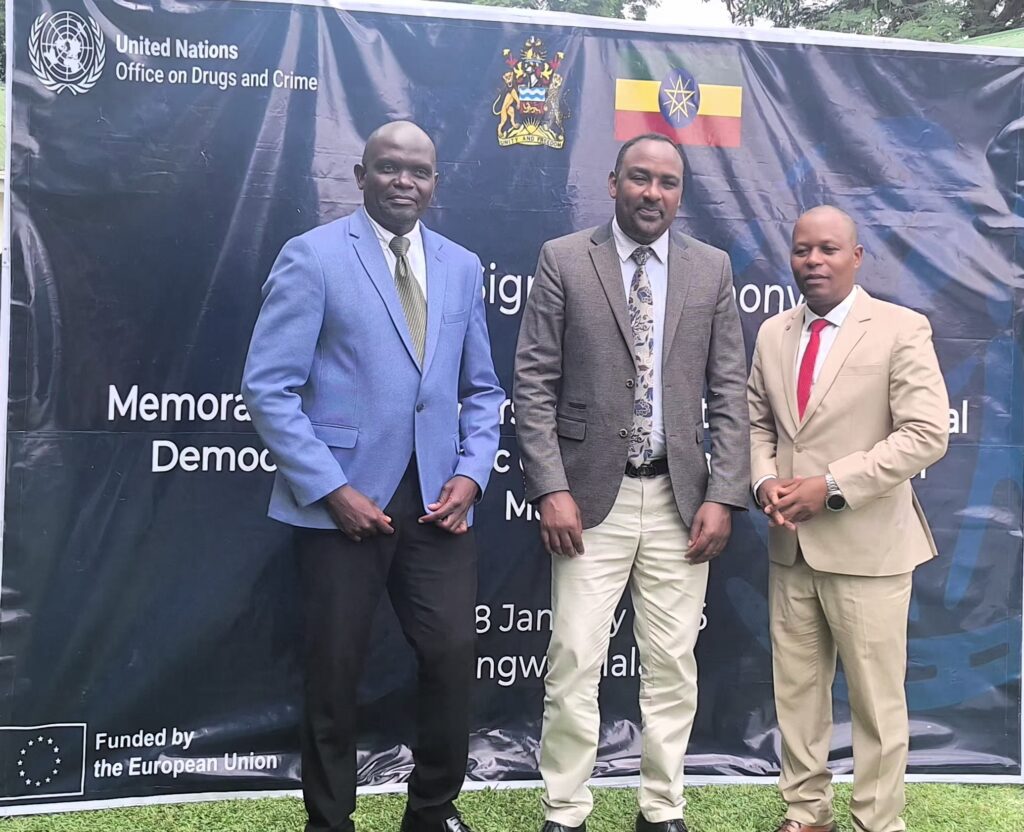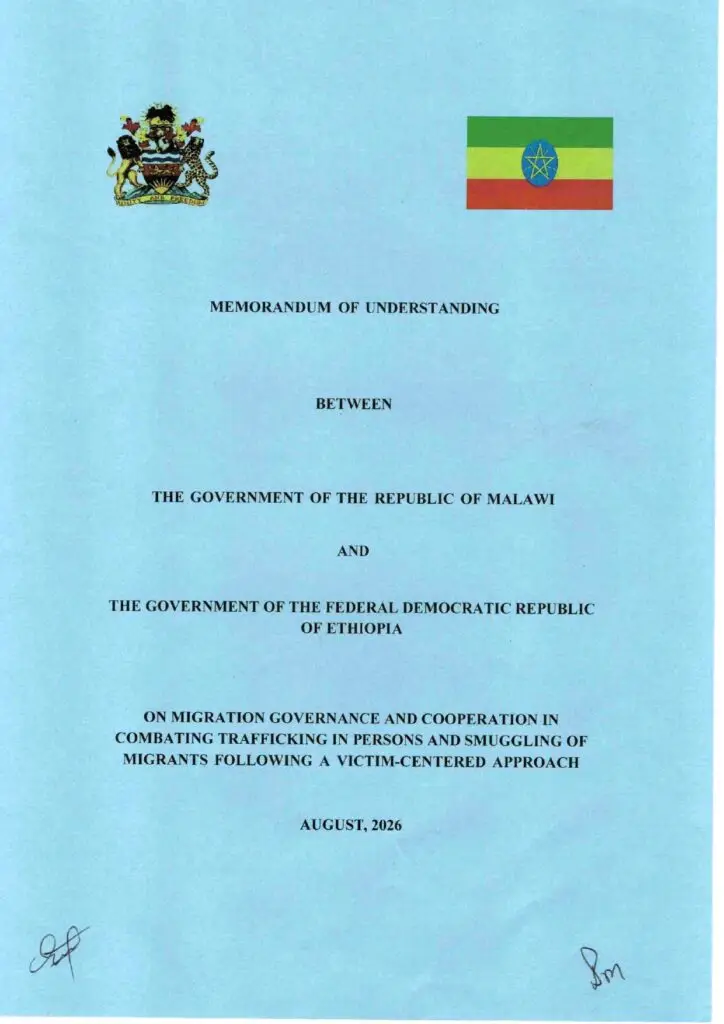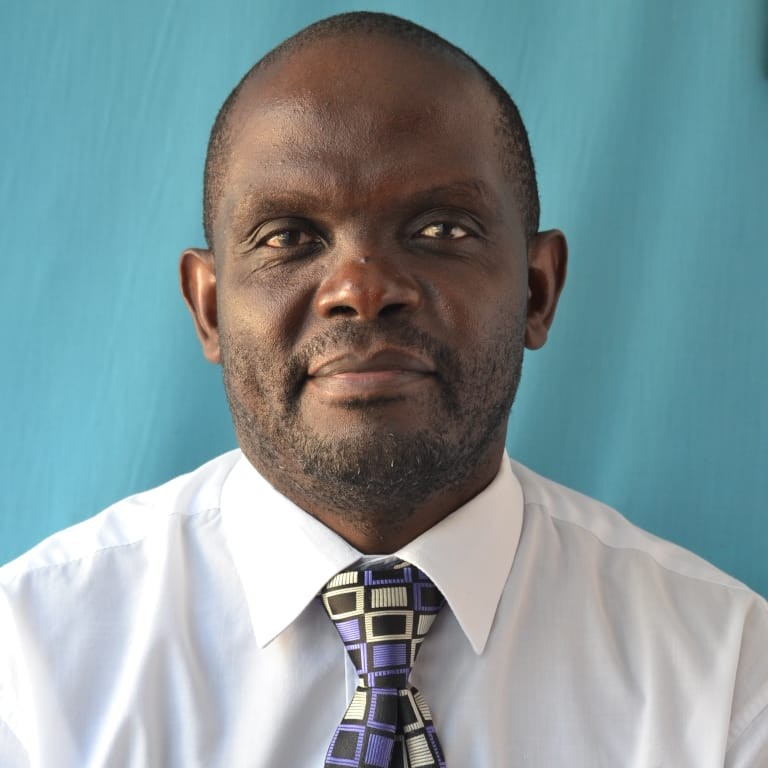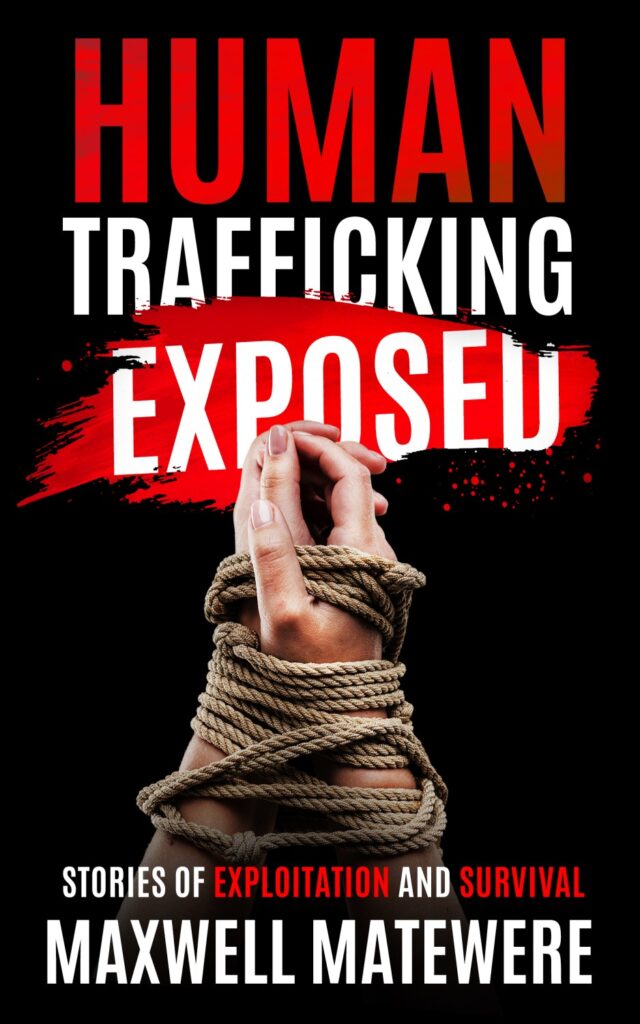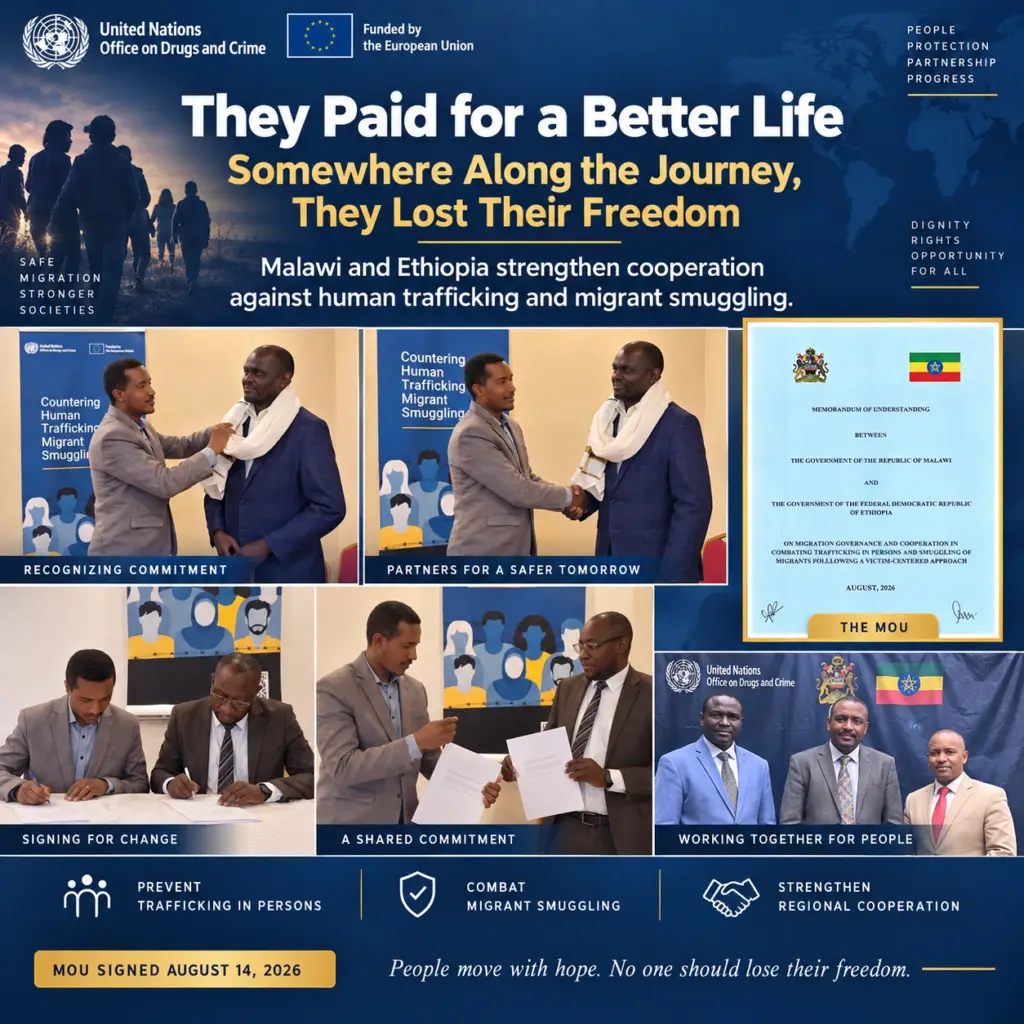
Today, we focus on the MOU (Memorandum of Understanding) signed between the governments of Ethiopia and Malawi on 14th August 2026 to facilitate joint efforts against human trafficking and smuggling of migrants. I thank my former employers, United Nations Office on Drugs and Crime (UNODC) for inviting me be part of the team that championed the drafting of this MOU. It is one of the most memorable and successful achievements I shall ever cherish.
As I write this, I remember coordinating joint investigations in 2021 to uncover the cause of deaths for 68 Ethiopians found dead in a van whose lives could have been saved had this MOU was already signed back then. I also remember a young man who left Ethiopia with a dream of a better life. He believed the journey to South Africa would bring him a job, an income and a chance to support his family. Instead, somewhere along the way, he lost something far more valuable—his freedom.
A broker had promised to arrange his journey for three thousand dollars. He borrowed money believing he was investing in his future. But after leaving home, his phone was taken, the amount he owed increased, and he was moved between forests, houses, refugee camps and vehicles.
Then came the demand while at Dzaleka Refugee Camp: call your family and ask for more money.
What began as a search for opportunity had turned into exploitation. He was no longer simply a migrant travelling to another country. He was a victim of human trafficking.
The movement of Ethiopian migrants towards Southern Africa is not new. The Eastern and Southern African migration route passes through countries including Ethiopia, Kenya, Tanzania, Malawi, Mozambique, Zimbabwe and South Africa. Many migrants travel irregularly and may depend on smugglers to help them cross borders.
But behind the numbers are real people, young men and women hoping to escape poverty, unemployment and difficult circumstances.
Many borrow money or sell property to finance their journey. They trust people who promise jobs and safe passage. Once they are far from home, however, they can become highly vulnerable, particularly when their documents or phones are taken, they are threatened, deceived or forced to pay more money. This is where migration can become trafficking.
Not everyone travelling without the required documents is a trafficking victim. Some people may voluntarily use smugglers to cross borders. Others may be deceived, threatened or exploited. However, some may begin their journey voluntarily but later become victims.
A person who has been trafficked needs protection and assistance—not simply punishment for irregular migration.
Malawi has become an important transit country along the route to Southern Africa. IOM monitoring recorded more than 12,500 movements at flow-monitoring points in Malawi in March 2026 alone. These figures represent movements observed at monitoring points and not the total number of migrants travelling through the country.
The route has also attracted attention because of allegations of organized trafficking and migrant-smuggling networks.
Investigative reporting by the Platform for Investigative Journalism documented allegations of networks operating along the route, including around Dzaleka Refugee Camp. The investigation drew on police records, court documents, intelligence files and interviews with officials, civil society organizations and community members.
In July 2026, Malawi Police, Ethiopian Federal Police and Interpol were involved in the arrest of a man accused by Ethiopian authorities of leading a trafficking network. He was arrested in Malawi and transferred to Ethiopia to face proceedings. The allegations include deceiving young Ethiopians with promises of better lives in South Africa and subjecting some travelers to extortion and abuse.
The case sends a clear message: human trafficking does not stop at national borders, so neither should the response.
On 14 August 2026, Malawi and Ethiopia signed a Memorandum of Understanding aimed at strengthening cooperation against human trafficking, migrant smuggling and related transnational crime.
The agreement provides a framework for cooperation in prevention, protection, prosecution and partnership.
But agreements only matter when they lead to action. Imagine being stopped at a roadblock in the middle of the night. You are exhausted. You do not speak the local language. You have no passport or phone. You are afraid of the people who brought you there.
Would you feel safe enough to tell someone that you have been trafficked? For many victims, silence may feel safer. That is why identifying trafficking victims requires more than checking documents. Authorities need to ask the right questions:
Who brought this person here?
Who paid for the journey? Who collected the money?
Who controlled the person?
Who is benefiting from their exploitation?
Victims may need interpreters, safe spaces, legal assistance, psychosocial support and protection. At the same time, investigations must go beyond the person being transported and focus on the people organising and profiting from exploitation.
Stopping trafficking does not end when a victim is rescued or returned home. A person may return with debt, trauma and lost income. The poverty or unemployment that pushed them to leave may still be waiting for them. Without support, another recruiter may eventually offer another promise: “I can get you to South Africa.”
That is why prevention, protection and reintegration must go together. Victims may need counselling, family support, legal assistance, livelihood opportunities and information about safer migration pathways.
When a truck carrying migrants is stopped, it can be easy to see only people who have crossed a border without the required documents. But every person may have a different story.
One may have travelled voluntarily. Another may have been deceived. Another may have been threatened. Another may have been trafficked.
We cannot know the difference simply by looking at someone at a roadblock or behind a prison gate.
The Malawi–Ethiopia agreement provides an opportunity to strengthen cooperation and ensure that potential victims are identified and protected while trafficking networks are investigated and brought to justice.
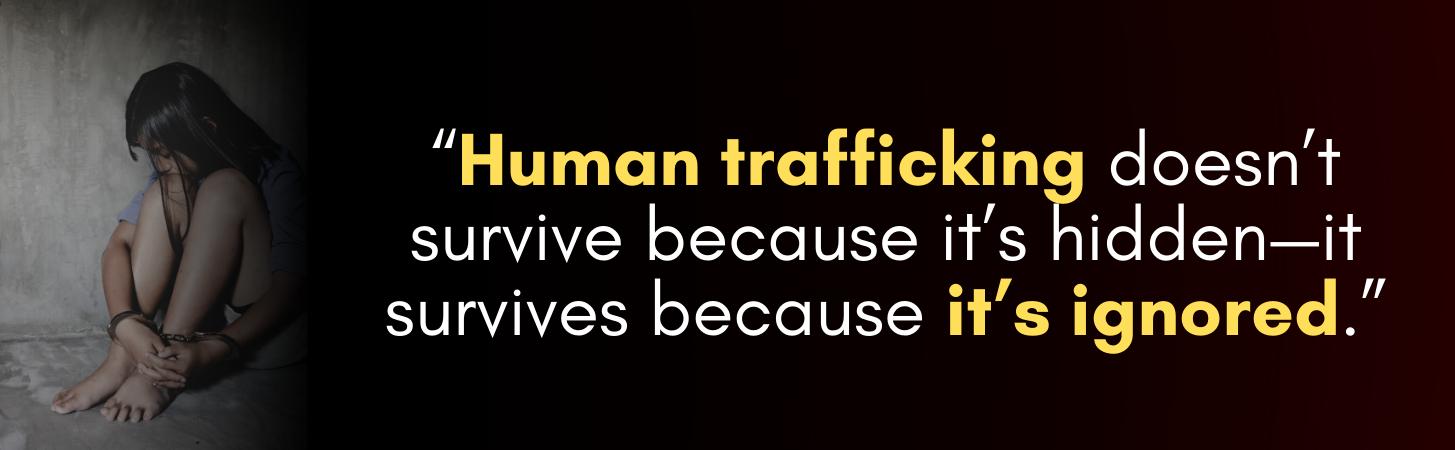
Human trafficking thrives when people become invisible. Our response must be different. We must see them. Listen to them. Protect them. And hold those who exploit them accountable.
For the young man who left Ethiopia believing he was buying a better future, the message is simple: he was looking for a job. He was looking for hope. He was looking for a better life. He never should have lost his freedom to find it.