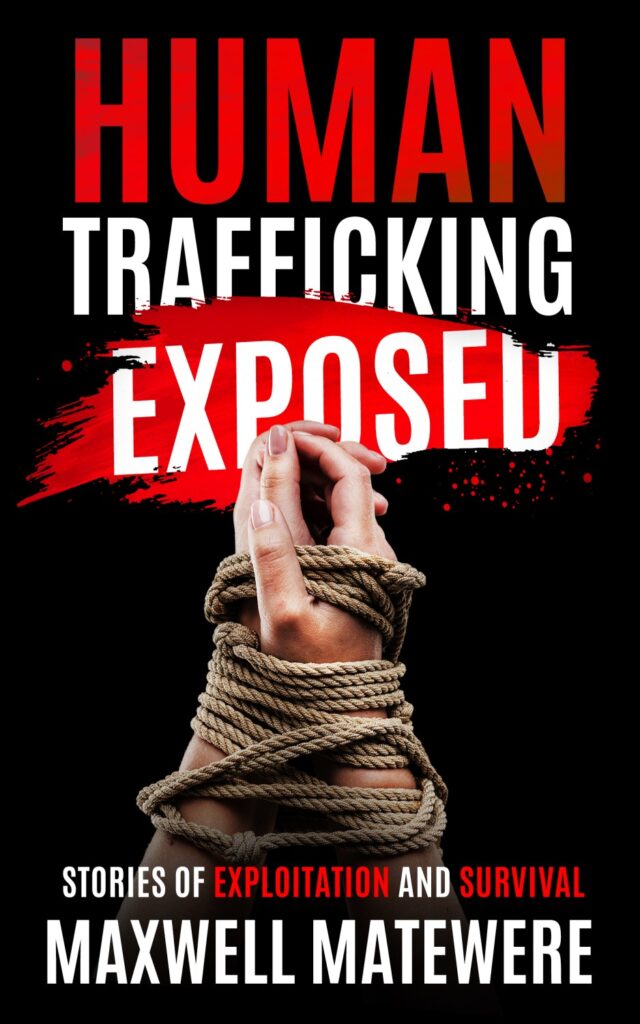
How a Malawian job seeker found himself trapped in a cyber-slavery operation in Myanmar and Cambodia
When Maxwell Banda went online looking for a job, he thought he had found an opportunity that could change his life. Like many young people, Banda was searching for work and hoping to find a better future. While looking for a job on the internet, he found an opportunity to work as an internet promoter, helping businesses promote their services on social media. The job sounded genuine. He applied, was recruited and travelled to Myanmar (formerly Burma) located in Southeast Asia bordering India, Bangladesh, China, Laos and Thailand. But when he arrived, he discovered that the job he had been promised was not the job he was going to do. Instead, Banda found himself inside a scam operation.
He had become a victim of a growing form of cyber-enabled crime sometimes known as “cyber-slavery” or “scam-compound” exploitation. The job was not what he expected. Banda had travelled to Myanmar believing he was going to promote businesses online. Instead, he was told to take part in online scams. One of his tasks was to pretend to be a woman online and target wealthy men. He was expected to build relationships with them and then deceive them into sending money. What had started as a search for employment had turned into an experience he never expected. He was no longer simply a worker trying to earn a living. He was inside a criminal operation. For Banda, the experience showed how dangerous online recruitment can become when criminals use technology to deceive people.


A job advertisement can look normal. A person can receive messages from someone who appears professional. The offer can sound attractive. But behind the offer, may be a criminal network looking for its next victim. His story reflects a growing global problem. Banda’s experience comes at a time when organised crime is changing rapidly. The United Nations Office on Drugs and Crime (UNODC) has warned about the growing threat of organised crime in South-East Asia. In its report, “An Interconnected Criminal Ecosystem: Transnational Organized Crime Threat Assessment for South-East Asia,” UNODC explains how technology has changed the way criminal groups operate. (https://www.unodc.org/unodc/en/press/releases/2026/July/new-unodc-report-reveals-scale-of-south-east-asias-ever-more-interconnected-criminal-economy.html)
Crime is no longer limited to small groups working in one place. Criminal networks are becoming larger, more organised and more connected. They are using the internet and other technologies to commit crimes across borders. Cyber fraud, human trafficking, drug trafficking and money laundering can all be connected. This means that a person sitting in one country can become involved in a criminal operation targeting people in another country. And people from many countries can be recruited to work inside these operations. Behind the scams are real people! When people hear about online scams, they often think only about the people who lose money. But there is another side to the story.
Some of the people carrying out the scams may also be victims. Some are recruited through fake job offers. They may be promised good salaries, accommodation and a better life. But after travelling to another country, they discover that the job is completely different. Some are then forced or threatened into carrying out online fraud. This is what makes scam compounds particularly dangerous. They can combine technology, organised crime and human exploitation in one operation. Maxwell Banda’s story puts a human face on this problem. He did not travel to Myanmar planning to become a scammer. He travelled there looking for a job. For Banda, what happened in Myanmar is a painful experience he says he will never forget.
He remembers the difference between the opportunity he was promised and the reality he found when he arrived. Instead of building a career, he found himself involved in activities he had never expected. Instead of freedom, he experienced a situation that left him needing help to get out. Eventually, Banda was rescued and regained his freedom. He is thankful to the governments of Malawi and Cambodia for their role in helping secure his rescue. Today, he is able to speak about what happened to him. And by telling his story, he hopes that others can learn from his experience.
The internet can open doors, but it can also hide traps. The internet has created many opportunities. People can search for jobs, start businesses, study and communicate with people around the world. But the same technology can also be used by criminals. This is why people searching for jobs online need to be careful.
Before accepting an overseas job, it is important to find out who the employer really is.
Ask questions.
Check whether the company exists.
Find out exactly what the job involves.
Ask for a written contract.
Be careful with offers that promise very high salaries for very little work.
And never ignore warning signs simply because you are desperate for employment.
A job that looks like a golden opportunity may sometimes be a trap. Young people are especially vulnerable and finding a job is not easy. Unemployment and financial pressure can make an attractive job offer difficult to refuse. Criminal groups understand this. They can use social media and online job platforms to reach people who are looking for work. They may present themselves as legitimate companies. They may use attractive pictures, professional-looking messages and promises of good salaries. By the time a person discovers the truth, they may already be in another country and far away from their family.
This is why awareness is so important. Young people need to know the dangers. Parents need to talk to their children about online safety. Communities need to understand how recruitment scams work. And people who suspect that someone is being trafficked or exploited need to know where to report it.
Banda’s story is more than a story about cybercrime. His experience is not simply a story about online scams. It is a story about deception, exploitation, survival and freedom. It also shows why the fight against human trafficking must keep changing as criminals change their methods. Technology has made it possible for criminals to reach victims across borders. But technology can also be used to protect people. Governments, law enforcement agencies, civil society organizations and communities must work together to educate people about these dangers and stop criminal networks from exploiting vulnerable people.
For the Maxwell Matewere Podcast, this is an important area of awareness. The unemployed and young people must be protected from exploitation, including exploitation that begins online. They need information that is simple, practical and easy to understand. They need to know that not everyone they meet online can be trusted. And they need to know where to seek help when something does not feel right.
His story is a warning. Maxwell Banda went online looking for a job. He thought he had found an opportunity. Instead, he found himself in a scam compound thousands of kilometres from home. His experience shows that human trafficking and exploitation can take many forms. It does not always begin with someone being physically kidnapped. Sometimes, it begins with a message. Sometimes, it begins with a job advertisement. Sometimes, it begins with a promise of a better life. That is why his story matters. It is a warning to job seekers. It is a warning to families. It is a warning to communities. And it is a reminder that we must remain alert as criminals find new ways to use technology to exploit people.
Today, Banda is free. He is grateful to Malawi and Cambodia for helping him return to freedom. But he carries the memories of what happened with him. He says he will never forget the experience. Now, by sharing his story, he hopes others will be more careful when looking for opportunities online.
Hear Maxwell Banda’s story.
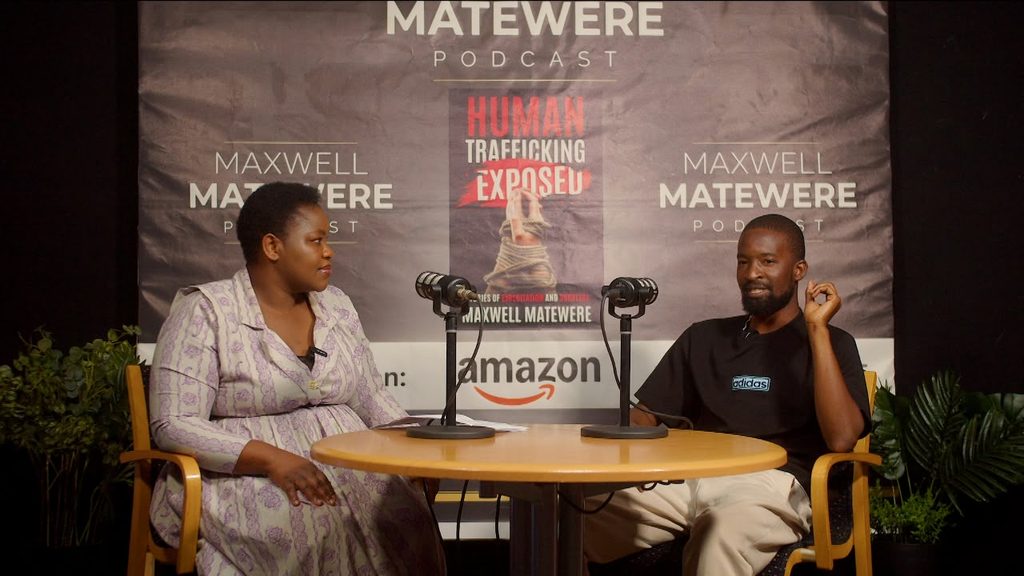
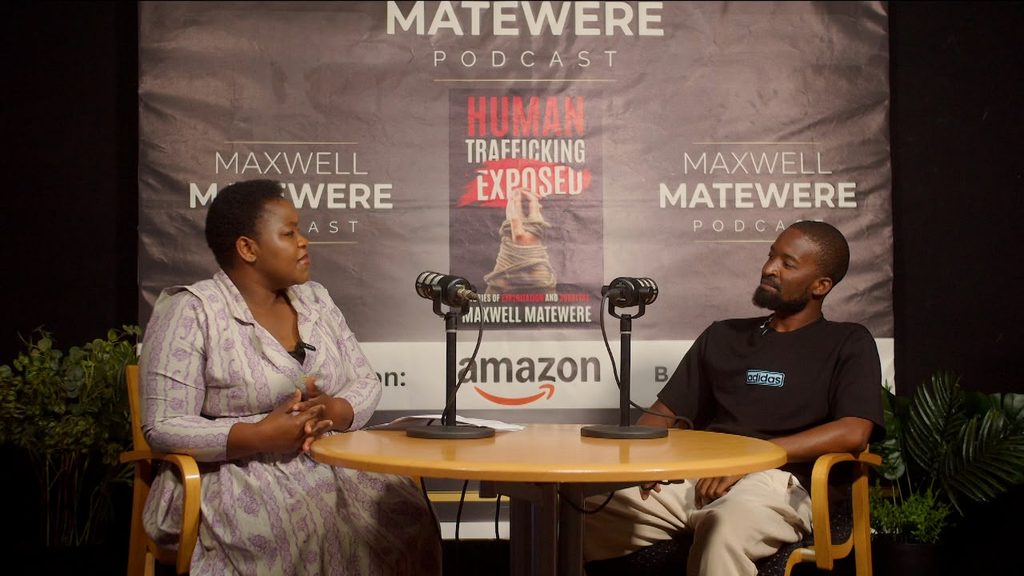
This September 2026 on Sunday 13th at 6 pm CET, the Maxwell Matewere Podcast will feature Maxwell Banda, where he will share his experience of recruitment, his time inside a cyber-enabled fraud operation in Myanmar and Cambodia, his rescue and his journey back to freedom.
His story gives a human face to the growing threat of cyber-enabled organised crime described by UNODC. Most importantly, it gives us a chance to learn.
Before you accept that job offer online, check.
Before you travel, ask questions.
Before you trust, verify.
Because sometimes, what looks like an opportunity can hide a trap.