I’ve Unwittingly Participated in Underage Human Trafficking and Labor Exploitation. And You Probably Have Too.
Unwitting, yes. But does it erase the fact that it happens? No. Because forced labor lurks unseen in every corner of every industry in every part of the country. This country. Even if you do your best to screen your service providers, your food processors and your product manufacturers, somewhere along the line, trafficking is occurring. Where, you ask?
- The cleaning company hired by the world’s largest meat processor
- The parts manufacturers for your car
- The back house of your favorite restaurant
- The supplier of your favorite ice cream
- The ingredients collected for your favorite brands…and more.
Children are forced into long hours, falling asleep in school and working in horrid conditions. And after all this effort and exploitation, they usually find out they owe more than they earned.
Human Trafficking in Everyday Industries
A New York Times investigation uncovered cases of migrant children working overnight shifts in factories producing well-known consumer brands, including cereals, snack foods and packaged goods. Do you have Cheeto dust on your hands? Ben and Jerry’s in the freezer? A Ford in your driveway? These are a few of the companies that have been accused of forced child migrant labor.
Other children were found performing hazardous labor in roofing, meat processing, commercial laundries and agriculture. There were eleven amputations or serious incidents involving workers at one meat processing company between 2019 and 2023. In another incident, a child died after falling off a roof at a construction site.
Adolescents are twice as likely as adults to be seriously injured at work for several reasons, but one major cause is their concentration in jobs with exposure to a high level of risk. Think of a dangerous job, poorly paying and constantly short-staffed, where burns, lacerations or falls can occur. These are often where child labor is, mostly under the radar, unreported and untracked.
Forced Labor Right in Front of Us
In many cases, victims are hidden in plain sight, working long hours under dangerous conditions with little protection, limited freedom and overwhelming financial pressure. We haven’t been trained to look for them, and now we’ve become part of the food chain that feeds it.
This uncomfortable reality challenges the assumption that trafficking exists only in distant places or extreme circumstances. The sad truth is that human trafficking surrounds us on a daily basis.
Imagine my own surprise when I read that trafficking was happening in my county and in building sites I drive past. The shock that children could be climbing on roofs near me, handling dangerous equipment or forced to work 16 hours right down the street is awakening. Where else have I partaken? At the motel franchise we stopped at? Any of the restaurants I’ve eaten at? Sadly, probably yes.
Human trafficking is often imagined as something that happens in other countries, or at the least, in large cities. But in reality, exploitation can exist within ordinary industries that many people interact with every day, including me. It’s not limited to one incident in another state; it’s in our backyard, and we need to recognize it.
How Can Forced Labor of Minors in the US Happen? Isn’t Anyone Watching?
In a perfect world, yes. To avoid unaccompanied minors being housed indefinitely in cages at the border, a system was started that “sponsors” could take them while their case went through the system. Unfortunately, the system is understaffed, the prosecutions take too long and eventually some children fall through the cracks. Even children sponsored by their families aren’t immune to exploitation. Cases are rarely reported, and even if they are, they are rarely followed up on.
Aren’t Companies Doing Background Checks?
Human trafficking and labor exploitation can thrive within complex supply chains, subcontracting arrangements and staffing systems. Oversight becomes limited, and accountability becomes blurred – a cleaning company hired to come in at night, a contractor hired to supply workers.
In many cases, the problem persists because enforcement struggles to keep pace with sprawling global labor networks. Regulators are often underfunded and overwhelmed, while corporations can distance themselves from abuses through layers of subcontractors and vendors. At the same time, consumers and businesses alike tend to prioritize low costs and convenience, rarely questioning how products are sourced or who is performing the labor behind the scenes. When responsibility is fragmented, exploitation can remain hidden in plain sight and result in human trafficking in everyday industries.
As consumers, we usually only vet the last hands to touch a product, assuming the company has already vetted it. We don’t, and can’t, track every hand that touches it along the way, starting with the ones picking in the fields.
Why do they risk coming here? Why not return home?
One reason migrant children are especially vulnerable to human trafficking and labor exploitation is that they often arrive without stable support systems, legal protections or financial resources. Traffickers and exploitative employers prey on that desperation, offering promises of work, education or safety that quickly turn into coercion and abuse.
Have you heard the phrase about not taking the dangerous journey unless you have no other choice? Many of these children are leaving behind family members who are starving, living in dangerous situations or facing circumstances where survival itself is uncertain. Many are promised they’ll still be able to attend school, make enough money to send home or eventually become citizens. Some families back home are aware of the conditions their children may face, but the opportunity still represents more income and hope than can be found where they are.
Ready to Learn More About Forced Labor and Real Stories of Human Trafficking Survivors?
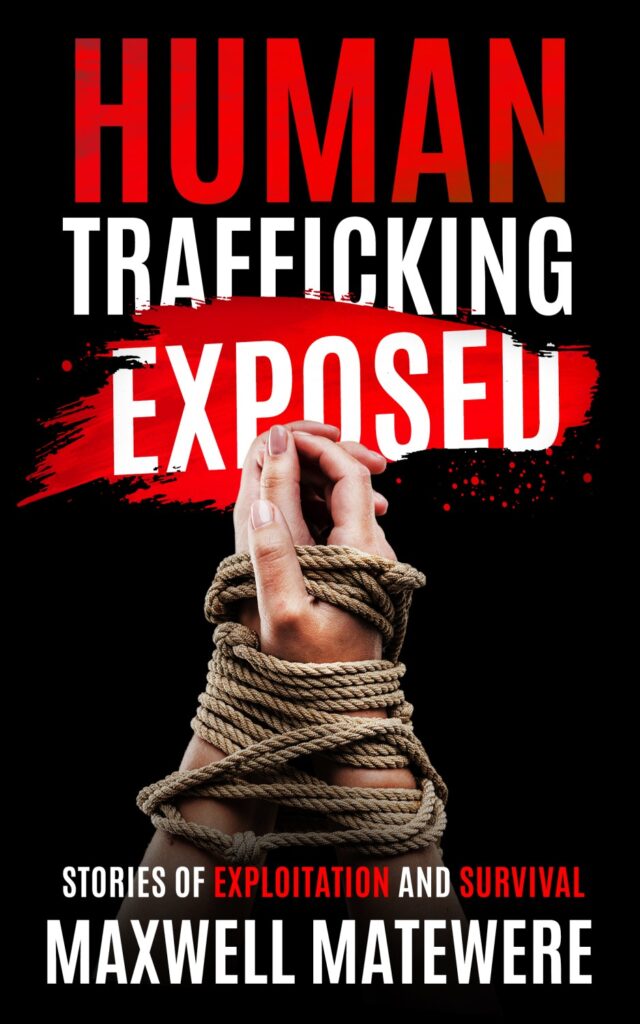
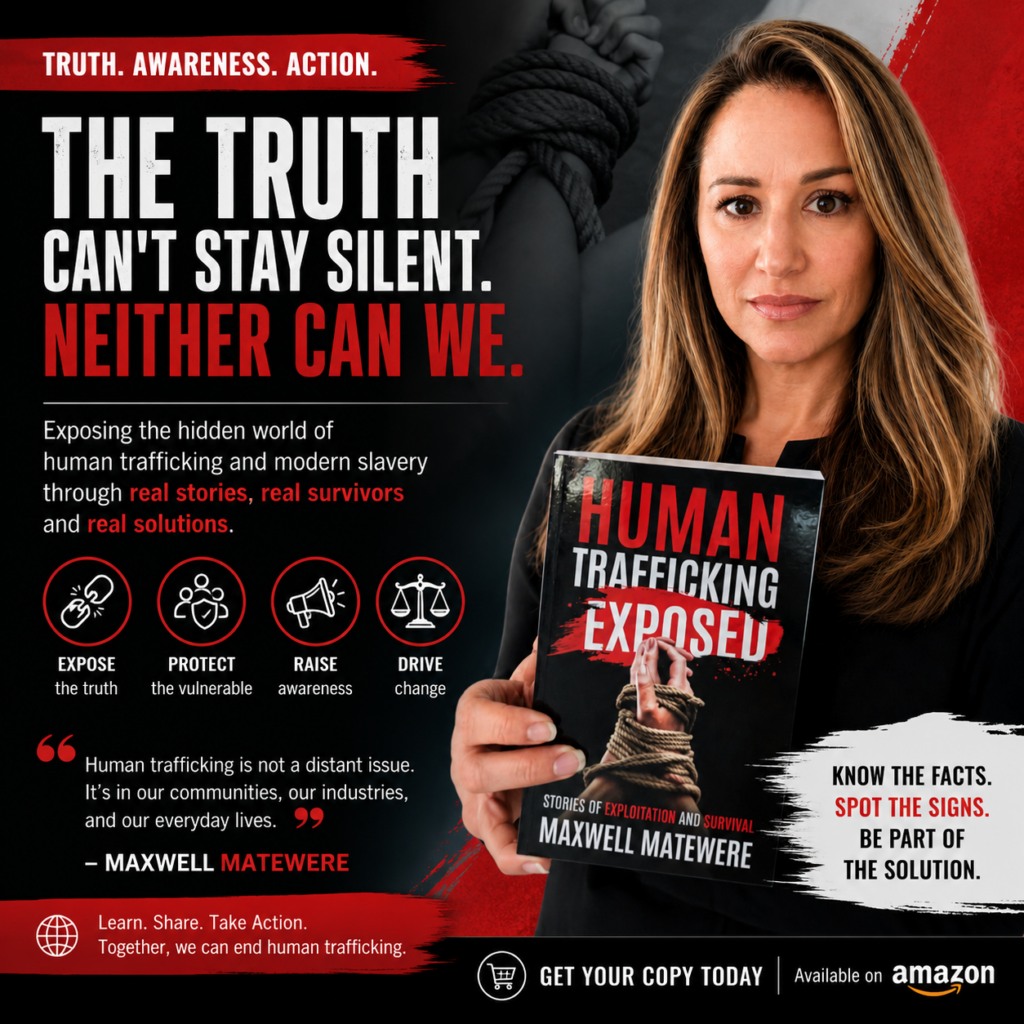
Human Trafficking Exposed: Stories of Exploitation and Survival by Maxwell Matewere offers a deeper look into the realities of modern trafficking, labor exploitation and the systems that allow it to continue largely unnoticed. Drawing from decades of frontline experience in crime prevention and human rights advocacy, Matewere combines real-world insight with powerful real stories of human trafficking survivors that expose how trafficking impacts individuals, families and industries around the world.
The book challenges readers to move beyond assumptions and recognize that trafficking is not a distant issue affecting “someone else.” It is woven into global supply chains, local communities and everyday consumer life in ways many people never realize.
Human Trafficking Exposed: Stories of Exploitation and Survival is available now on Amazon.
About the Author:
Laura Schreiber is a marketing strategist and writer with more than 15 years of experience creating content across numerous industries worldwide. She has led award-winning marketing campaigns, written extensively on business and social issues, and is passionate about bringing attention to complex topics that often go unseen.