The fight against human trafficking depends on more than frontline work. It also depends on awareness.
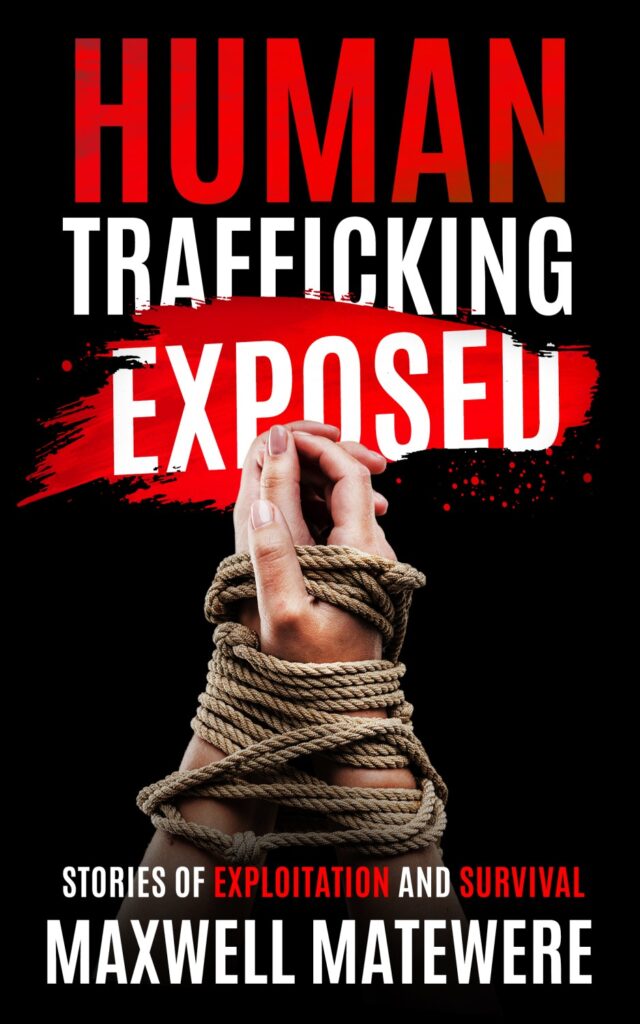
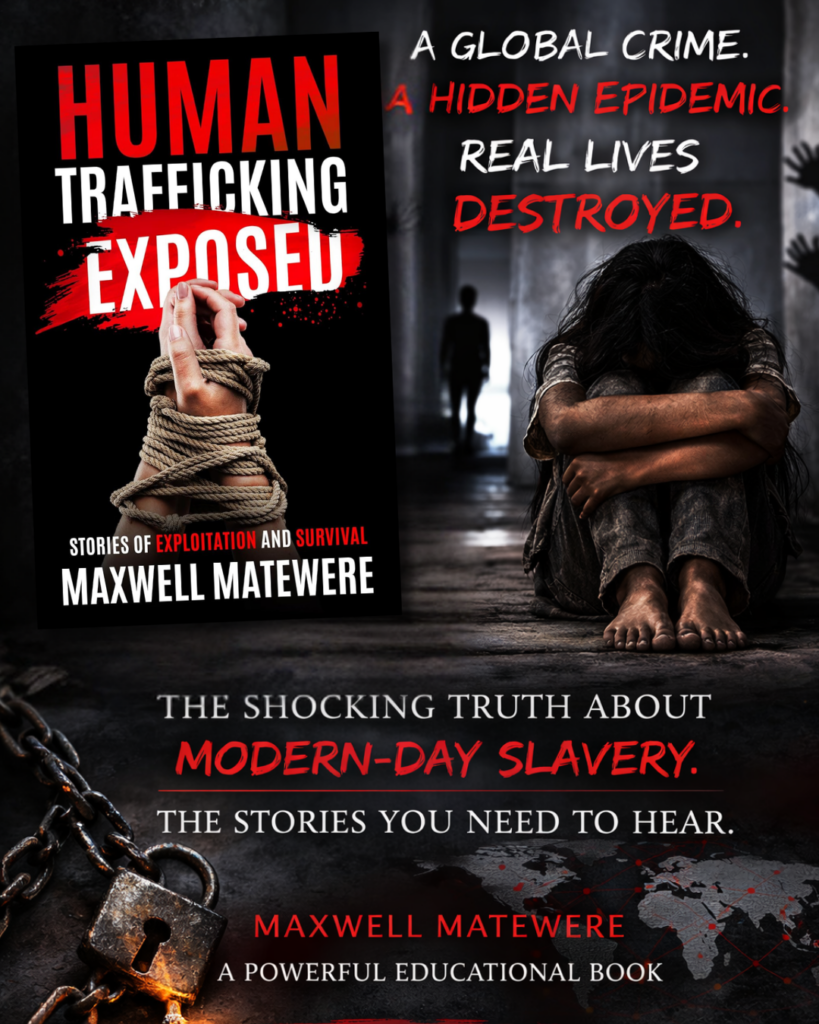
Recently, the press release announcing my new book, Human Trafficking Exposed entered the global news cycle through distribution on EIN Presswire. What followed illustrates the power of media in amplifying conversations around human rights and modern slavery.
According to the distribution report, the release has now been indexed across major search engines, news databases, and media platforms, placing the message in front of millions of readers, journalists, and decision-makers worldwide.
This kind of media visibility matters.
When stories about human trafficking reach news platforms, they move beyond academic discussion and enter the public consciousness. They reach policymakers who influence legislation, organizations that support victims, and citizens who may recognize warning signs within their own communities.
How Media Distribution Expands the Conversation of African Trafficking Stories
The press announcement for Human Trafficking Exposed has been distributed through a wide network of global media platforms and news databases.
The report shows the release appearing across major news channels including:
-
- AP News
-
- National Law Review
-
- PR Wire India
-
- Global news scanning platforms
-
- Dozens of publishing and business news outlets
In addition, it was distributed through a network of 3,900+ niche news websites worldwide, dramatically expanding the reach of the message.
Through search indexing and AI databases, the story now appears in search results on platforms such as:
-
- Bing
-
- Yahoo
-
- AI knowledge systems used for research and journalism
The impact is clear: awareness travels farther when information travels freely.
Why Awareness of African Trafficking Stories Matters
Human trafficking is often described as a hidden crime. But in reality, it thrives not only in secrecy, but also in misunderstanding.
Many people still believe trafficking only occurs in distant regions or involves dramatic kidnappings. In truth, trafficking frequently begins with deception—false promises of employment, education, or migration opportunities.
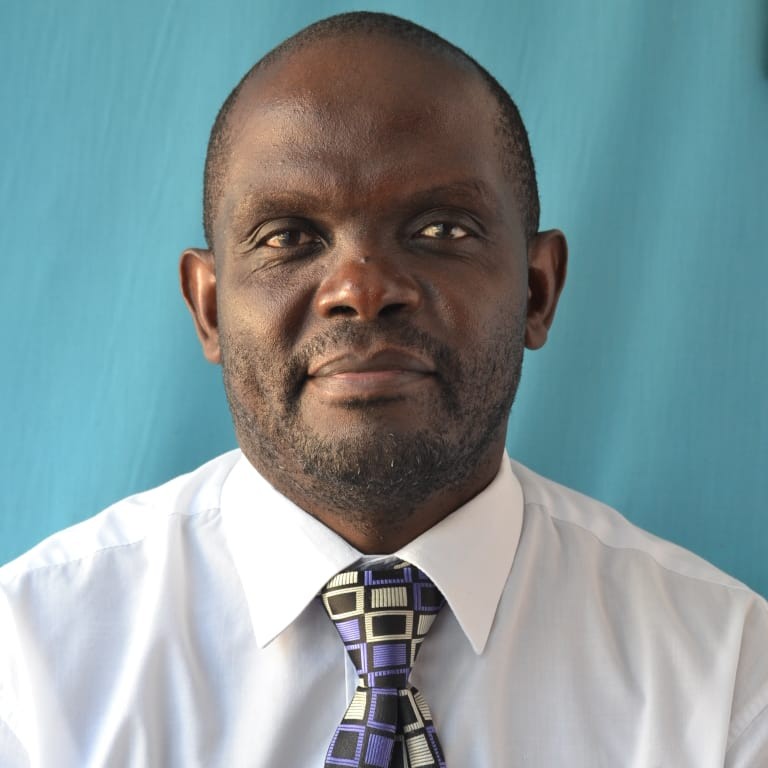
Maxwell Matewere says, “Through nearly three decades of working with victims and investigating trafficking networks, I have seen firsthand how these crimes operate beneath the surface of everyday life.”
That is why Human Trafficking Exposed was written.
The book brings readers into the lived realities of victims—children trafficked through illegal adoption schemes, women forced into sexual exploitation, and laborers trapped in modern-day slavery. By documenting these cases, the goal is not simply to inform but to empower people to recognize and challenge these crimes.
The Role of Journalism in Combating Exploitation
Journalists and media platforms play a critical role in confronting trafficking.
Every time a story about trafficking is published, it does three important things:
-
- It breaks the silence surrounding victims.
-
- It educates communities about how trafficking operates.
-
- It pressures institutions to strengthen protections and enforcement.
Media coverage does not end trafficking on its own. But it creates the awareness necessary for action.
A Shared Responsibility
Human trafficking is a global crime that demands global responsibility.
Governments must strengthen laws and enforcement.
Organizations must support survivors.
Communities must recognize warning signs and protect the vulnerable.
But awareness is where it begins.
When the message spreads through media platforms, through social networks, and through conversations in communities, the silence surrounding trafficking begins to break.
And once the silence is broken, change becomes possible.
Continuing the Conversation – Voices of African Trafficking Stories
If media coverage helps even one more person understand how trafficking happens—or inspires one more advocate to act—then it has already made a difference.
The work continues.
The fight continues.
And the voices of survivors must continue to be heard.
Maxwell Matewere
Human Rights Advocate | Anti-Trafficking Specialist | Author