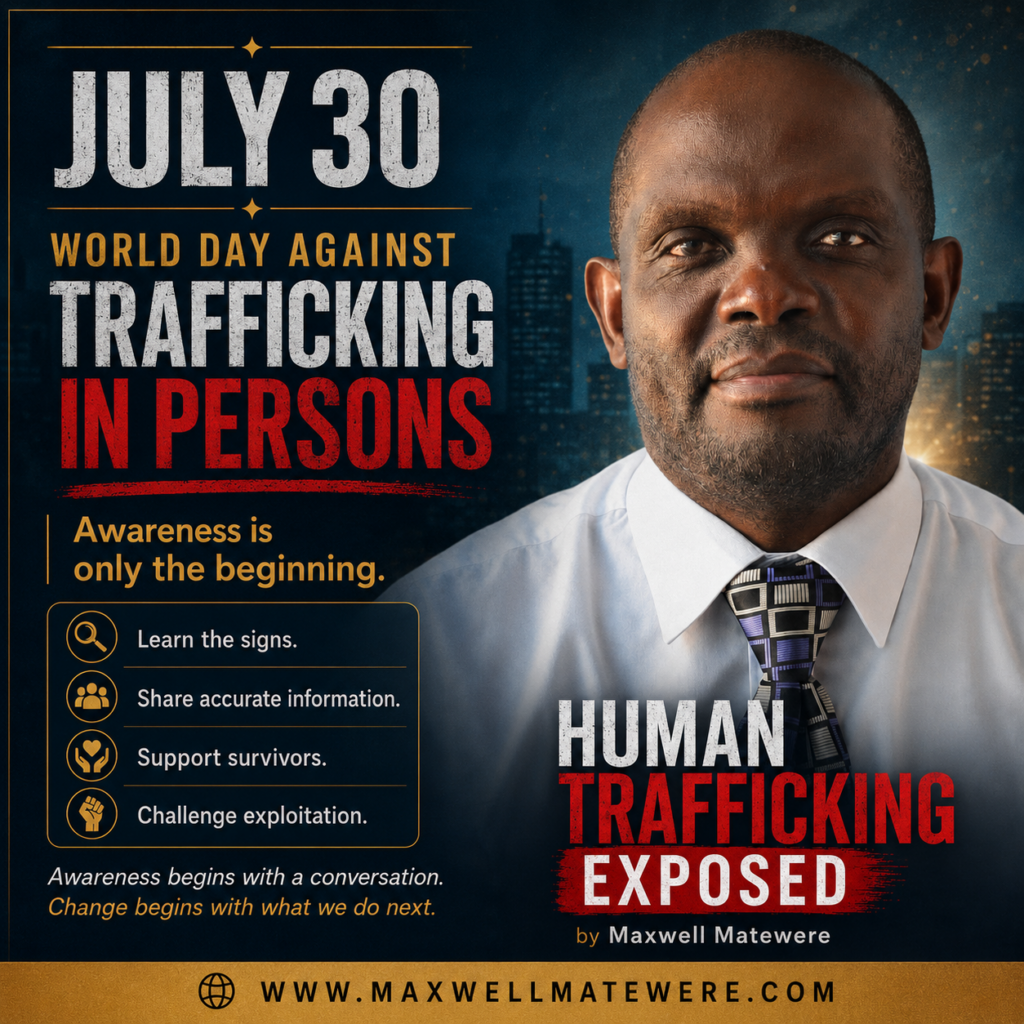
Every year on July 30, the United Nations recognizes World Day Against Trafficking in Persons—a global call to confront one of the world’s most devastating human rights violations.
It is a day to raise awareness, honor survivors, and recommit ourselves to ending the exploitation of millions of people who are trafficked for labor, sexual exploitation, forced marriage, criminal activity, and other forms of abuse.
But awareness alone isn’t enough.
If we truly want to end human trafficking, we must first understand it.
Human Trafficking Is Closer Than Most People Realize
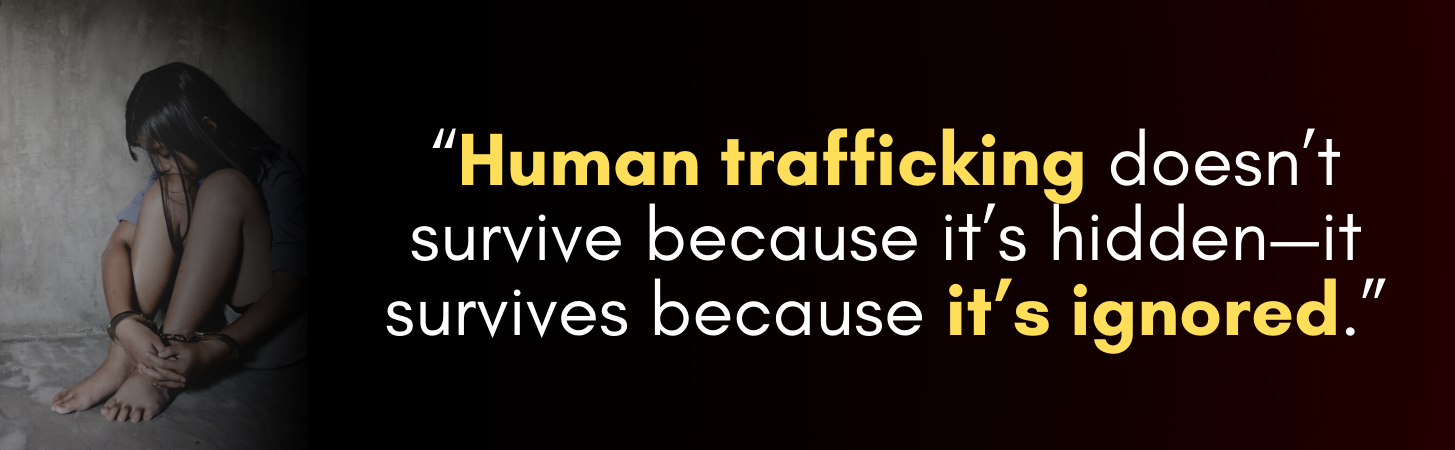
When many people hear the term “human trafficking,” they imagine dramatic kidnappings or crimes taking place in distant countries. While those situations do occur, trafficking is often far more subtle.
It thrives on vulnerability.
- A child promised an education
- A young man assured employment
- A young woman offered a job
- A family desperate to survive
These are the circumstances traffickers exploit every day.
Trafficking exists in cities and rural communities, in wealthy nations and developing countries. It is hidden within global supply chains, agriculture, domestic work, manufacturing, construction, hospitality, and countless other industries. It affects people of every age, gender, and background.
The uncomfortable truth is that trafficking is not someone else’s problem. It is a global issue that demands a global response. This is why human trafficking awareness is so important – it is in global commerce chains and in our backyards.
Human Trafficking True Stories Have the Power to Change Hearts
Facts and statistics are important, but stories have the power to make us care.
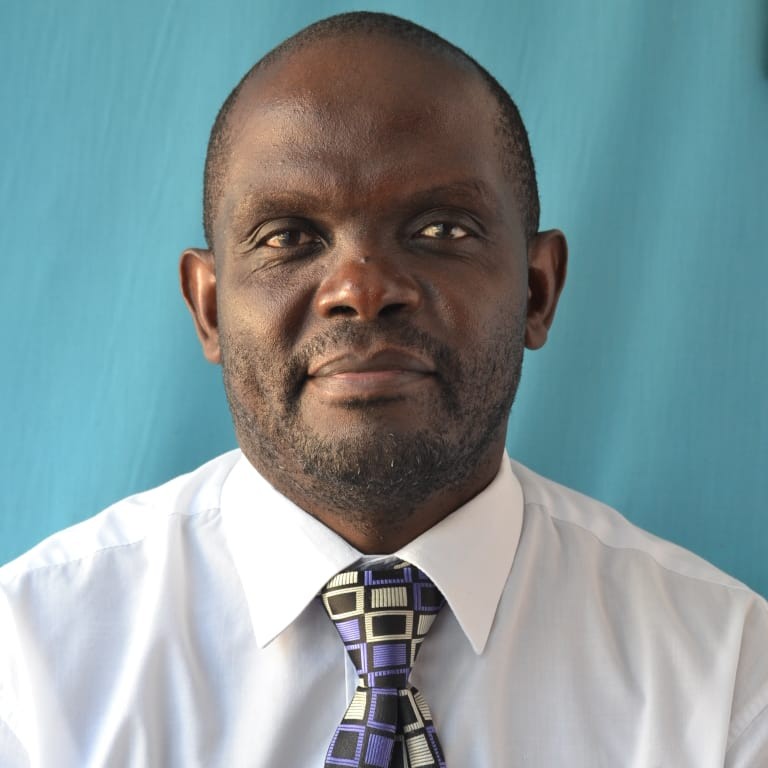
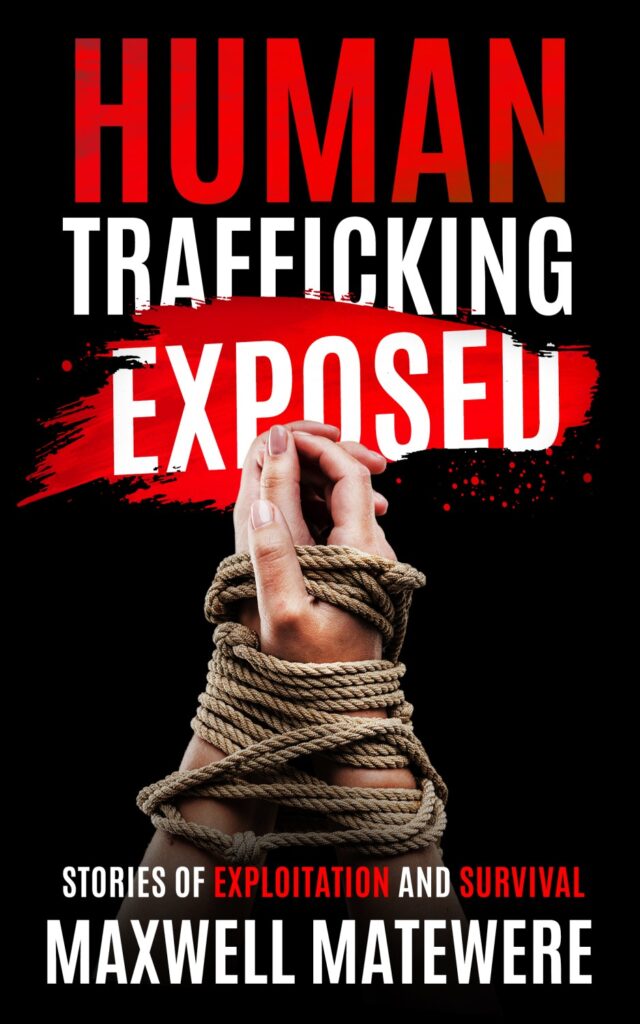
That is why Maxwell Matewere’s book, Human Trafficking Exposed: Stories of Exploitation and Survival, is so important.
Rather than focusing only on the scale of the problem, Maxwell shares the human side of trafficking through powerful stories of exploitation, resilience, and hope. His years of working with vulnerable children and families in Malawi offer readers a perspective that goes beyond headlines and statistics.
- Children trafficked across borders under the guise of education or adoption
- Young girls deceived into prostitution and violent sexual captivity
- Men trapped in forced labor, stripped of pay, identity, and hope
These stories remind us that behind every number is a person with dreams, a family, and a future worth protecting.
From Awareness to Action, Supporting Human Trafficking Awareness
The United Nations established World Day Against Trafficking in Persons to inspire governments, organizations, and individuals to take action. Each of us has a role to play.
You can make a difference by:
- Learning how trafficking operates in your own community and around the world
- Sharing accurate information to help others recognize the warning signs
- Supporting organizations that prevent trafficking and care for survivors
- Encouraging businesses to prioritize ethical labor practices and transparent supply chains
- Speaking up for those whose voices have been silenced by exploitation
Small actions, multiplied across communities, create meaningful change.
For Maxwell Matewere, combating human trafficking is not just a cause—it is a daily commitment. Through education, community outreach, and advocacy, they work to protect vulnerable children and families from exploitation while creating opportunities that help break the cycle of poverty and trafficking before it begins.
Human trafficking awareness reminds us that preventing trafficking starts long before someone becomes a victim. It begins with education, conversation, and communities that refuse to look away.
Continue the Conversation
This July 30, don’t let your commitment end with reading a social media post or sharing a statistic.
Take the next step.
Read Human Trafficking Exposed: Stories of Exploitation and Survival by Maxwell Matewere. Share it with your family, your church, your book club, or your community. Use its stories to start conversations that challenge misconceptions and inspire action. This is one of the most moving books about human trafficking, told through firsthand stories.
The more people understand what trafficking really looks like, the better equipped we are to recognize it, prevent it, and stand with those whose lives have been forever changed by it.
Awareness begins with a conversation.
Change begins with what we do next.
Questions about World Day Against Trafficking in Persons Day
When is World Day Against Trafficking in Persons Day?
The United Nations World Day Against Trafficking in Persons Day is observed on July 30.
What is the history of World Day Against Trafficking in Persons Day?
World Day Against Trafficking in Persons was established by the United Nations General Assembly in 2013 following a high-level review of the Global Plan of Action to Combat Trafficking in Persons. The resolution designated July 30 as an annual day of observance to raise awareness of the plight of trafficking victims and to promote and protect their rights.
Human Trafficking Exposed: Stories of Exploitation and Survival is available now on Amazon.
About the Author:
Laura Schreiber is a marketing strategist and writer with more than 15 years of experience creating content across numerous industries worldwide. She has led award-winning marketing campaigns, written extensively on business and social issues, and is passionate about bringing attention to complex topics that often go unseen.