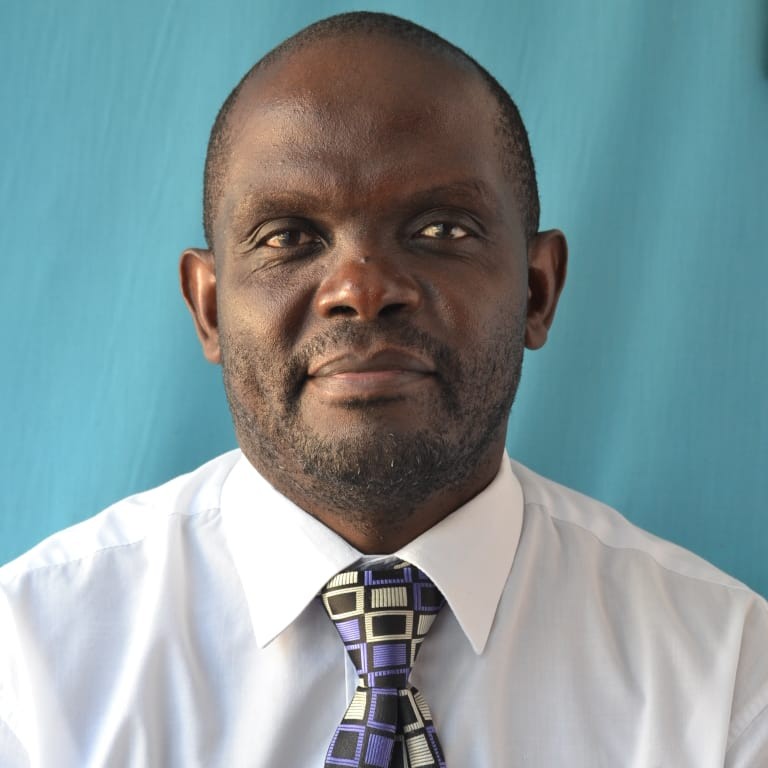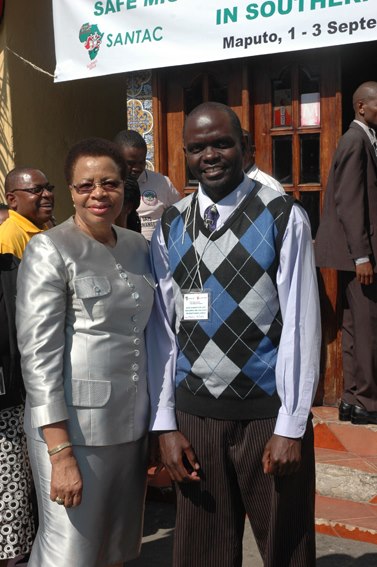
Between 2009 – 2018, I was elected as President of the Southern African Network Against Trafficking and Abuse of Children (SANTAC) alongside the Chief Executive of Malawi Human Rights Commission, Ms. Habiba Osman, who at the time was also elected as the Treasurer to lead a transformative regional campaign against trafficking in persons in all Southern African Countries championed by SANTAC. This network is headquartered in Maputo, Mozambique and was hosted by one of its co-founders of the Foundation for Community Development whose Patron was Bishop Desmond Tutu and Co-Patron, Her Excellency, Graca Machel.
The network was launched in May 2005, four years following the launch of a campaign against abuse and trafficking of children for exploitative purposes in Southern Africa in the city of Maputo on 16 June 2002. The main sponsor, Terre Des Hommes (TDH) and its partner, the Foundation for Community Development, agreed to convert their informal campaign into a full-fledged sub-regional child protection organisation, the Southern African Network against Trafficking and Abuse of Children (SANTAC).
My election as the President for the network in 2009, came at a time when South Africa and the Southern African region was planning to host the World Cup for the first time in 2010.
During my appointment as the network President, I was privileged to interact with the late President Nelson Mandela and other Southern African leaders to lobby for the introduction of intervention designed to mitigate the influx of child trafficking during the 2010 World Cup and trafficking in persons in Southern African countries. All thanks to Bishop Desmond Tutu and Her Excellency, Graca Machel, who introduced me to other great leaders throughout the region.
I learned from Her Excellency, Graca Machel through her speeches on how human trafficking is believed to be as old of a trade as other human trading activities in most countries of the world.
I learned that between 1444 and 1460, the Portuguese recruited between 700,000 and 800,000 slaves from their trading posts and forts on the African coasts to Portugal. The Spanish and Arab traders followed suit and shipped thousands upon thousands of African slaves to Iran, India and the Americas in what became a highly lucrative global slave trade business until it was abolished 200 years ago.
Prior to the 16th century, the bulk of slaves exported from Africa were shipped from East Africa to the Arabian Peninsula. During the 17th, 18th and 19th centuries, South Africa was colonised and re-colonized by the Dutch and British.
Most countries in Southern Africa were also colonised by the former British Empire, excluding Mozambique and Angola who were colonised by the Portuguese. Throughout the colonisation movement, it was a common occurrence for women and children from other African countries to be taken to the United States of America (USA) and Europe.
I joined SANTAC when the invisible global phenomenon in Southern Africa affected children, young girls and women who were recruited for employment, but ended up as unpaid prostitutes, sexual slaves, criminal gang members, and other far worse forms of child exploitation.
The Southern African criminal networks were trading mostly children who were perpetrated by small scale local syndicates that recruited victims through community leaders, religious leaders, friends and family members.
This highly corruptive crime was taking place across the sub-region’s borders so subtly that even police and governments officers where involved, making the phenomenon more invisible than it is now, with the consequent “(un)punishment” or protection of the criminals and criminalization of victims.
I learned from speeches and my interaction with Bishop Desmond Tutu how human trafficking is, without a doubt, modern-day slavery, resulting in the exploitation and destruction of countless children, women and men in our region.
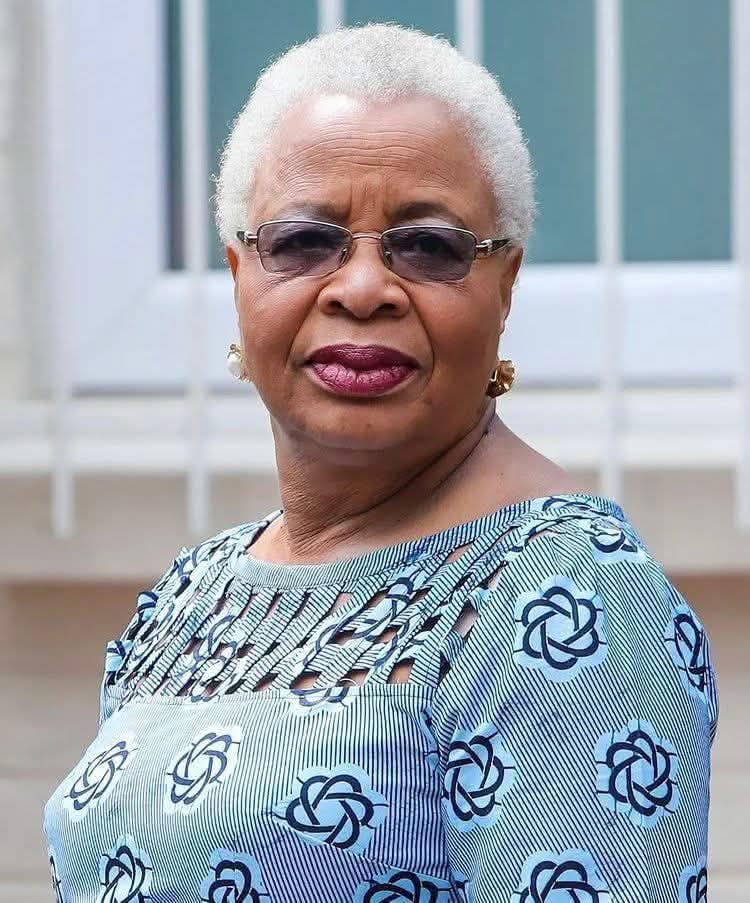
It was, however, Her Excellency, Graca Machel, who challenged me to look at human trafficking as an extreme violation of human rights that gave me a task as the leader of the Southern African Network not only to unite people against it but also unite communities and countries in Southern Africa.
There was no doubt that I and the team I worked with was successful in making all countries strengthen legislations, expand the capacity of officials against human trafficking, deal with corruption among public officials, raise awareness, rescue victims and arrest hundreds of criminals including in Zimbabwe under President Mugabe because I was surrounded and supported by Bishop Desmond Tutu and Her Excellency Graca Machel.
It is now time for us to continue moving towards making all countries safer for our children, while protecting the vulnerable and healing the victimised.
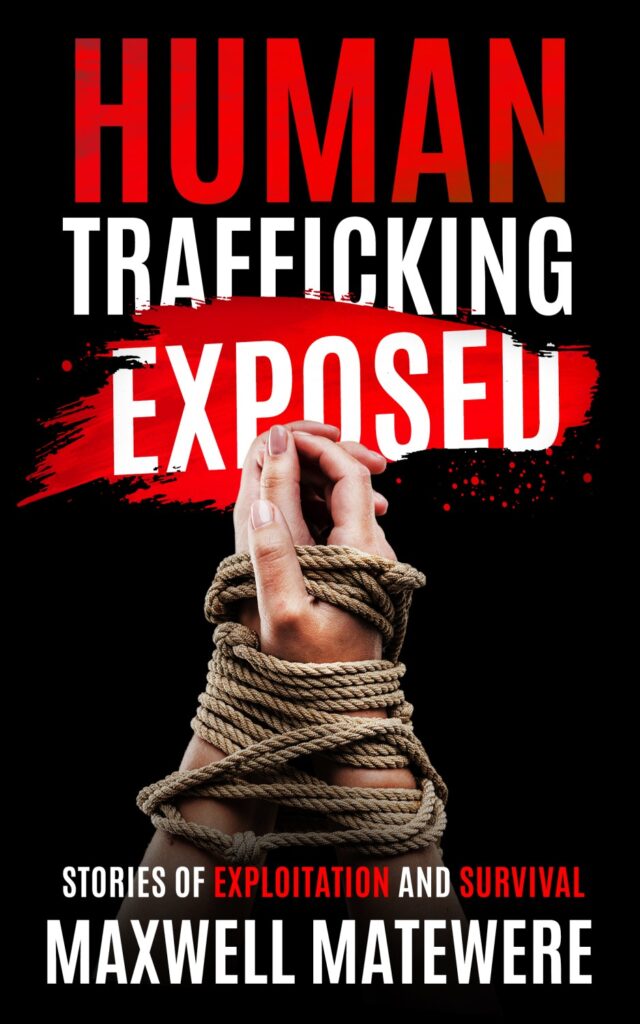
Human trafficking affects us all, whether we live in the countries of its origin, transit or destination. This book, “Human Trafficking Exposed,” provides concrete and coherent information that culminates in improved and more effective prevention and protection interventions for vulnerable children and women globally.
Let us not turn a blind eye to this abhorrent violation of human rights, especially the rights of children. If we, parents, family, community, government are not there to protect them, who will? It is time to join forces and make a difference. Although we may not be able to reap immediate rewards, let us continue working towards making the world a safer place from human trafficking.