A Ray of Light in the Fight Against Human Trafficking: A Story of a Real-Life Heroine
Hundreds of Malawian children are exposed to human trafficking, a highly organised criminal activity that involves powerful local and international players engaged in illegal recruitment, transportation, transfer and harboring of children in orphanages by means of fraud, deception and sometimes the abuse of power by taking advantage of vulnerable poor parents, giving them necessities with the aim of manupulating them into giving consent of their vulnerable children.
A well-documented report by the Malawi Human Rights Commission published on 27th June 2025, highlighted a sharp increase in the use of intercountry adoptions indicating that close to 400 children, who cannot be traced, were taken out of the country between the years 2017 to 2024 through illegal adoptions.
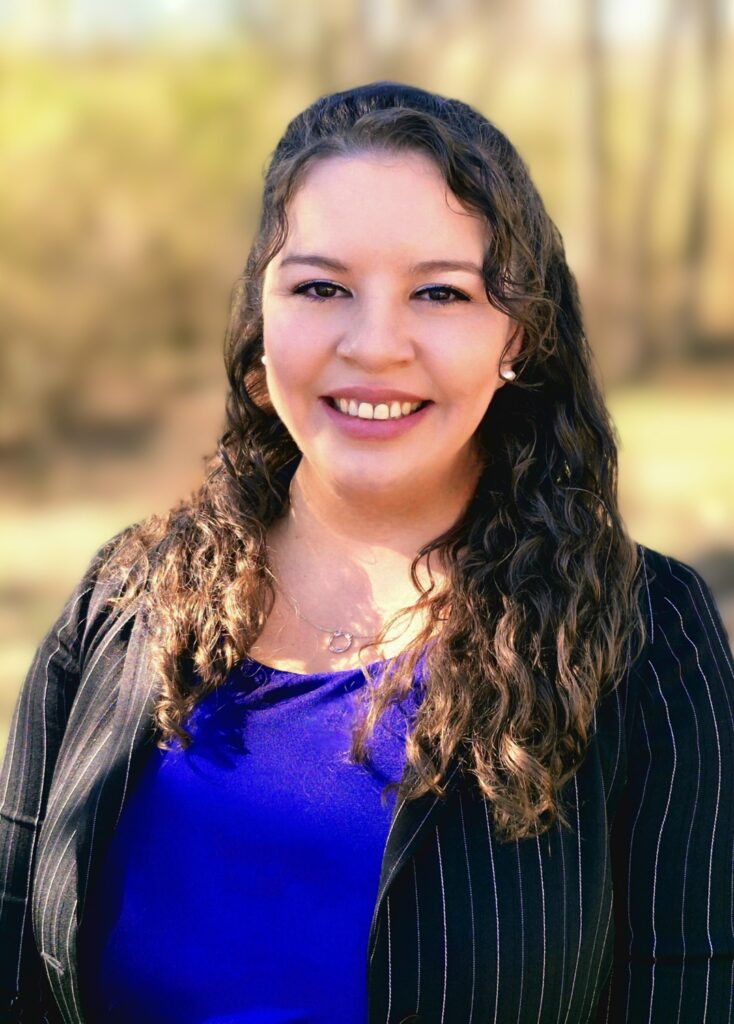
However, amidst this atrocious practice, rays of hope shine through; breaking the silence, sounding the alarm, fighting the battle for the voiceless and the hopeless. Indeed, all heroes do not wear capes. Some are clothed in courage and boldness. They raise their voices, pursuing justice for those who cannot seek it for themselves. Priscilla Rosario Garner is one such heroine who instead of choosing to walk away in silence, stood up for the truth and resolved to fight for the rights of deceived parents and their vulnerable children. Here is her story.
The First Steps
On her first visit to Malawi, Priscilla accepted an invitation by Helen*, the manager of Good Samaritan Ministries, on 25th September 2016, to visit a village in Mulanje, so she could appreciate the process undergone by the orphanage to place orphaned children into their care. While on this visit, Priscilla, along with Helen*, visited six homes; one where she met her son Adam* for the first time. Adam*, only 2 and a half years old then, did not live in the best conditions: he and his siblings, Diana* and Faith* lived in an unfinished house, with no roof or doors. Priscilla was told that they became orphaned after both of their birth parents died.
Adam’s* pictures (along with those of other children) were then shared on a Facebook page called “Miracles for Malawi”, a platform used by The Good Samaritan Children’s Home to share information about their activities and presence in Malawi. On the page, there are successful adoption stories and numerous pictures of other children who require sponsorship or are up for adoption. Moved with compassion and sympathy for the toddler, Priscilla responded to the post shared about Adam’s* need for sponsorship and a family.
Priscilla explains that after she saw Adam’s* pictures posted on the page, she reached out to Beatrice*, a lady who was managing the website at the time and explained how she met the boy, expressing interest to sponsor him. A couple months later, the Garners decided to officially adopt Adam* and eventually his sister, Diana*. Three and a half years later in 2020, the adoption for both children was finalised and they travelled to their new home in the United States of America.
Unanswered Questions
Even though the adoption process was completed, there were some eyebrow-raisers. The consular at the United States Embassy questioned how the Garners came to know the children and requested to have the birth parents’ death certificates. Oddly, no one seemed to have this important documentation, not even the staff at Good Samaritan. Eventually, they were able to acquire the death certificates with the help of Mr Banda*, who surprisingly was able to get the necessary information and have the certificates produced over night, a process that had also been completed for 3 other children who were also adopted around the same time. Although Priscilla found this strange, as a foreigner she was unaware of how such processes are conducted in Malawi, and didn’t quite know how to navigate this delicate situation.
Even during the long wait prior to the adoption process being finalised, Priscilla, on multiple occasions, had asked several individuals involved in the adoption process what happened to the children’s birth parents. Something she had always wondered but never received a direct response or reason for their deaths.
A little while after returning home to the United States in 2020 with Adam* and Diana*, Priscilla learned that Faith* (the older sibling to the two) along with other children at the orphanage, were being sent back to the village due to the covid pandemic. This made the siblings upset. Diana* later opened up and confided in Priscilla that her birth mother was still living. To Priscilla’s shock, Diana* went on to share more information, stating she was unaware where her mother, Maria* was the day she was taken to the orphanage. In the months following, covid travel restrictions prevented the opportunity for questioning in person since previous inquiries by phone were unsuccessful and the United States Embassy was shut down for a long period of time.
Though Priscilla hesitated to act quickly, all she knew was that the three vulnerable children needed to stay together in a family, despite the risks and challenges of questionable circumstances that began unfolding. Yet, she couldn’t understand how the entire adoption legal process went through if Maria* was still alive. Experiencing great fear of not knowing what to do at the time and facing tremendous pressure from the potential risk of permanently separating the siblings, Priscilla had to make numerous difficult decisions as an adoptive mother based on the best interest of Faith’s* guaranteed safety until she could find out the truth for herself.
Siblings Reunited
Being concerned about Faith’s* wellbeing due to the poor living conditions in the village, Priscilla was moved to take action for Faith’s* protection and to ultimately reunite the siblings. She then started to explore the possibilities of an adoption after Faith’s* pictures were posted on the same website, “Miracles for Malawi”, as a candidate for adoption. Her age, however, posed a great challenge; she was 16 years old, an age considered above that of adoption in the United States of America. Faith* was later granted a student visa in 2022, allowing her to reunite with her siblings.
On her return visit to Malawi to pick up Faith*, accompanied by Diana, Priscilla directly informed Helen* what Diana* shared regarding Maria*. Helen* was rather dismissive and seemed to have known details about Maria’s* past, also stating that she was being shunned by her family. On a visit to the village, the girls reported that they had met and talked with Maria* and their grandmother who discouraged them from saying anything of their interaction.
On another trip to Malawi in 2023, Priscilla, accompanied by Adam*, visited the home village again so he could spend some time with his relatives. On this visit there were two men who interacted with Adam*, one was his uncle and the other claimed to be his birth father, who had already been reported deceased.
On yet another visit to Malawi in July 2023, Priscilla, hoping to find out the truth but also making an effort to build a good relationship with the children’s family in the village, visited them again. Accompanied by a translator, Mike*, she engaged the grandmother and uncle, asking them questions about Maria*, but they both denied that she was alive. Priscilla made numerous visits to Malawi in 2023 and 2024. On all these visits, the family still maintained that Maria* was not alive.
At the beginning of 2024, Priscilla realised that Faith’s* student visa had restrictions which would pose a challenge for her to continue living in the United States. Due to this, Priscilla decided to return to Malawi with all three children to explore other options for Faith’s* education and future.
Uncovering the Truth
Shortly after her arrival, in August 2024, while at the orphanage, Maria* and her oldest son visited and insisted they speak with Priscilla. With the help of the translator, Mike*, Maria* finally narrated her story. She explained that she had been ill for some time, fearing that she would soon die. She wanted Priscilla, her children’s adoptive mother, to know the truth. She further explained that she had been in a hospital for a month when her children were taken from the village to the orphanage. After she was discharged, her uncle shunned her and did not want anyone to know she is still alive. Maria* had since relocated to Bangwe, (about 54 kms from Mulanje) with her other 4 children so she could stay away from her family. After the discussion with Maria*, Priscilla made certain the children were aware of this meeting along with Maria’s* decision not to have them back with her, which she clearly indicated in a signed statement.
Taking Action
Priscilla has since reported this matter to the United Nations, Federal Bureau of Investigation (FBI), local Human Rights NGOs, African Committee of Experts on the Rights of the Child, United States Immigration and Customs Enforcement, United States Embassy in Lilongwe, Ministry of Homeland Security and Ministry of Justice in Malawi confirming the fraudulent documentation, blowing the whistle on this illegal activity that exposes human life to risk. Taking this action, she aims to raise awareness so that other innocent children should not be unwillingly separated from their families.
Taking further action, Priscilla has filed a court case in Malawi, on behalf of the children and Maria*, to legally address the use of deception and fraud by the orphanage to take children without the consent of their parents and exploiting them on social media for financial gain.
While Priscilla has the voice to advocate for Maria* and her children, many more are left helpless, hopeless, and voiceless to suffer in silence and sometimes, sadly, they are never reunited with their families or even found. The war against human trafficking is far from over but sometimes when wars within the battle are won, there is victory!
Please note that all other names* used in this true story are fictional. The real names of the victims and those involved in this story have been intentionally withheld.